FOR IMMEDIATE RELEASE
Date: 10th November 2026
IMPLEMENT THE COURT JUDGMENT. INVESTIGATE AND PROSECUTE CORRUPTION.
ODPP MUST ACT. EACC MUST INVESTIGATE. OPARANYA MUST FACE THE LAW.
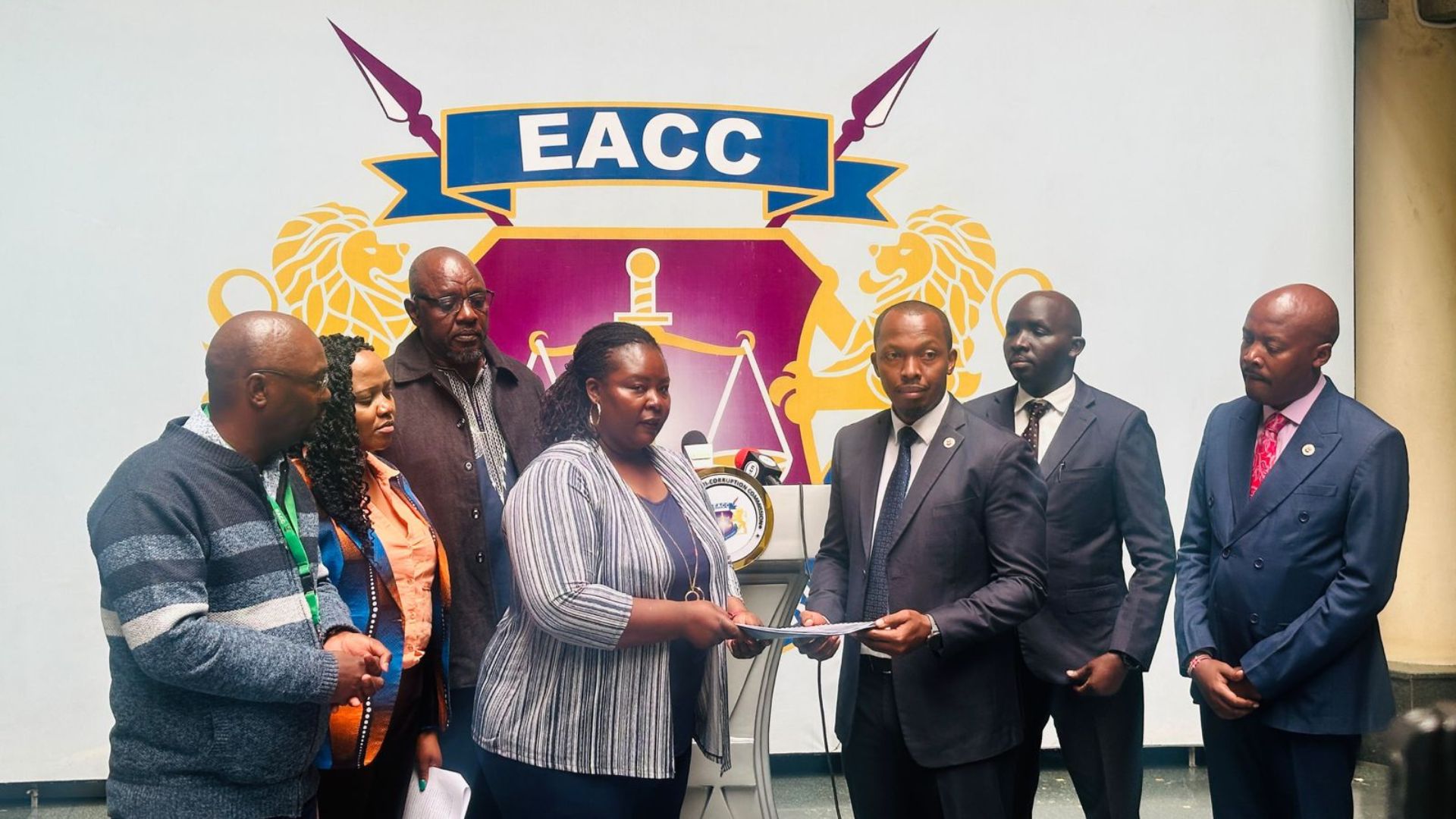
The National Integrity Alliance (NIA) has today called upon the Office of the Director of Public Prosecutions (ODPP) and the Ethics and Anti-Corruption Commission (EACC) to immediately implement the High Court judgment delivered on 2 October 2026 in Petition No. E004 of 2024, Fredrick Mulaa v ODPP & Others.
The Court declared unconstitutional, irregular, null and void the ODPP’s decision to withdraw charges against Wycliffe Ambetsa Oparanya relating to allegations of conflict of interest, abuse of office, money laundering and conspiracy to commit an offence of corruption. The Court further found that the ODPP had usurped EACC’s investigative mandate by considering fresh evidence without referring it to the Commission for further investigations.
NIA is particularly concerned by the ODPP’s decision to file yet another Notice of Appeal in this matter. The ODPP must be called to order. Its constitutional mandate is to advance the interests of justice, not to shield individuals facing corruption allegations or frustrate accountability through successive legal manoeuvres. Any appeal must not become a means of delaying or defeating the implementation of the Court’s findings.
Following this judgment, NIA demands:
1. ODPP MUST ACT: Immediately give effect to the Court’s judgment, refer the fresh evidence to EACC and issue the necessary instructions for further investigations. Upon receipt of the findings, independently make a prosecutorial determination in accordance with the Constitution. Where the evidence supports prosecution, institute criminal proceedings against Oparanya.
2. EACC MUST INVESTIGATE: Upon receiving the requisite referral and instructions, undertake independent investigations and verification of the fresh evidence and submit its findings through the appropriate legal processes.
3. PUBLIC ACCOUNTABILITY: The ODPP and EACC must provide NIA with written updates within 14 days of receiving its petitions, outlining the actions taken or proposed, subject to applicable legal restrictions.
Article 157(11) of the Constitution requires the ODPP to exercise its powers with regard to public interest, the administration of justice and the prevention of abuse of legal process. These obligations must guide its conduct.
The ODPP cannot be both the custodian of public justice and an obstacle to accountability.
The judgment must translate into action. The investigation must proceed, and where the evidence warrants, prosecution must follow.
Background to the Case
The matter arose from the ODPP’s decision to review its earlier decision to charge Wycliffe Ambetsa Oparanya with offences relating to conflict of interest, abuse of office, money laundering and conspiracy to commit an offence of corruption. The subsequent decision to withdraw the charges was communicated to the Ethics and Anti-Corruption Commission (EACC) through a letter dated 8 July 2024.
The legality of the ODPP’s decision was challenged before the High Court in Petition No. E004 of 2024, raising questions about the exercise of prosecutorial discretion, the respective constitutional mandates of the ODPP and EACC, and the handling of fresh evidence.
On 16 September 2025, the High Court delivered its initial judgment, quashing the ODPP’s decision to withdraw the charges against Oparanya.
However, following an application by Oparanya’s advocates seeking a fresh hearing on the grounds that he had been unaware of the proceedings, the Court reopened the matter and conducted a fresh hearing of the petition.
On 2 October 2026, the Court delivered a subsequent judgment, upholding its initial position despite the matter having been heard afresh. The Court reaffirmed that the ODPP’s decision, communicated through its letter of 8 July 2024, was irregular and unconstitutional, and therefore null and void. It also quashed the impugned decision and found that the ODPP had usurped the EACC’s investigative mandate by considering fresh evidence without first subjecting it to the Commission for further investigations.
It is this judgment, and the need to ensure that its findings and orders translate into concrete institutional action, that has informed NIA’s separate petitions to the ODPP and EACC.
In its judgment delivered on 2nd October 2026, the High Court made three key orders:
- The ODPP’s decision was unconstitutional: The Court declared that the ODPP’s decision to review its earlier decision to charge Wycliffe Ambetsa Oparanya with offences of conflict of interest, abuse of office, money laundering and conspiracy to commit an offence of corruption, as communicated in its letter dated 8th July 2024, was irregular and unconstitutional, and therefore null and void.
- The Court quashed the ODPP’s decision: The Court issued an order of certiorari quashing the impugned ODPP decision.
- The investigative mandate of EACC had been usurped: The Court declared that the ODPP had usurped the investigative mandate of the EACC by considering fresh evidence without first subjecting that evidence to the Commission for further investigations.
These orders are significant because they address the boundaries between the investigative and prosecutorial functions of two institutions central to the administration of criminal justice. They also underscore the need for fresh evidence in corruption-related matters to undergo the appropriate investigative scrutiny before being relied upon in making prosecutorial decisions.
#RadaNiIntegrity
THE NATIONAL INTEGRITY ALLIANCE (NIA)
The National Integrity Alliance (NIA) is a citizen-centered integrity and anti-corruption coalition comprising Transparency International Kenya (TI-Kenya), Inuka Kenya Ni Sisi! The Kenya Human Rights Commission (KHRC) and The Institute for Social Accountability (TISA). NIA seeks to breathe life into the constitutional promise on Integrity by catalyzing frontline ethics and anti-corruption institutions, and active citizens to Detect, Deter, Disrupt and Defeat corruption at all levels of society.
www.nia-ke.org | X: @RedCardKE | #RadaNiIntegrity
For media inquiries, please contact Njeri Wangari at 0722353657 (jwangari@tikenya.org) or Grace Awuor at 0700540406 (gawuor@khrc.or.ke).