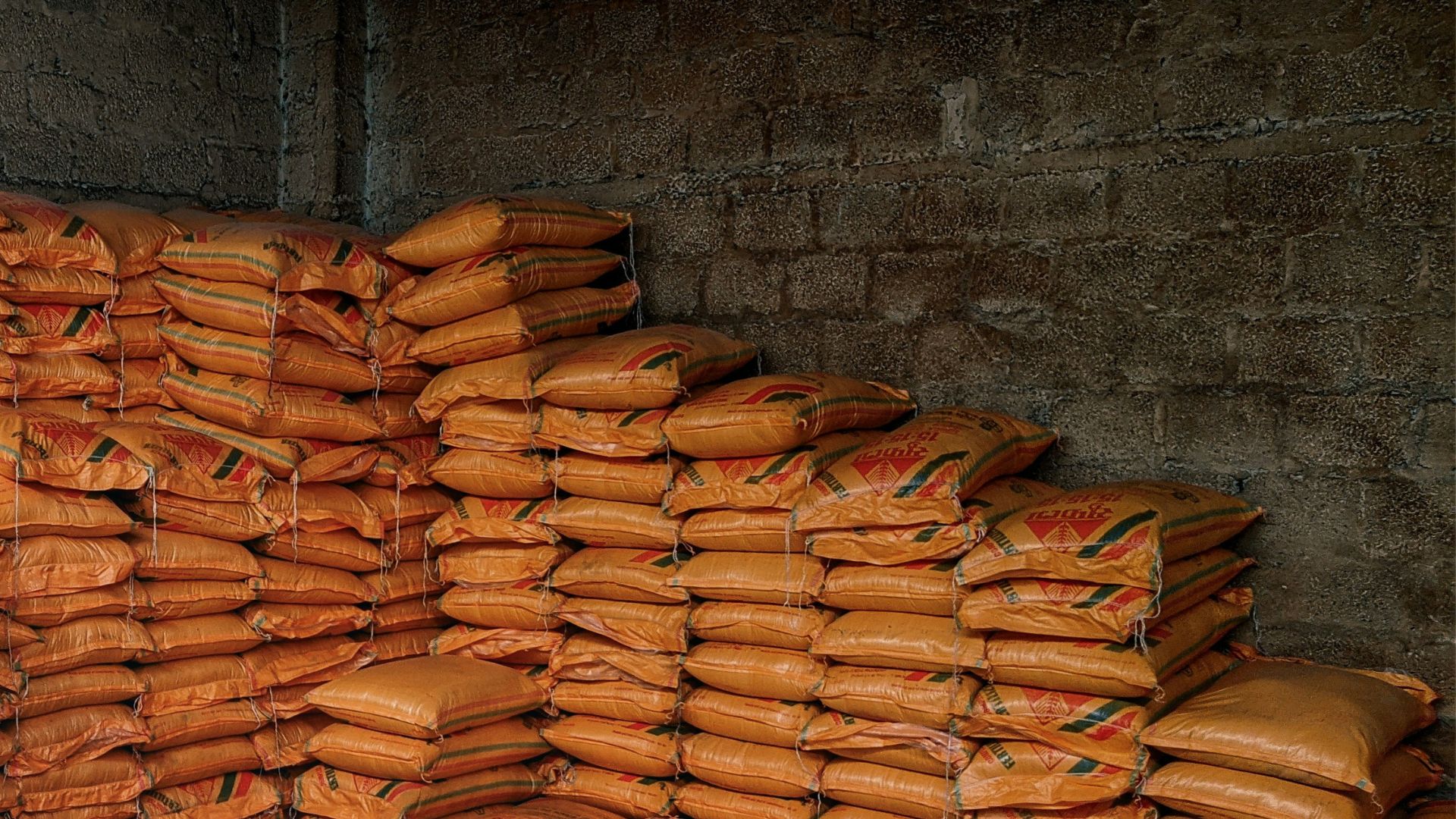
The National Integrity Alliance is deeply appalled by the recent exposé of yet another sugar scandal as reported by the Standard Media Group on April 11, 2026 in which 27,839 metric tonnes of industrial raw cane sugar originating from Durban, South Africa, valued at approximately Sh 1.5 billion were imported by Mombasa Sugar Refinery Limited (MSRL) under a specialised industrial using customs code that attracts a preferential 10 per cent import duty rate. This rate is reserved exclusively for sugar destined for industrial processing, not for human consumption.
What was uncovered is an ongoing scheme in which raw industrial sugar is imported, repackaged as consumer sugar, and sold to unsuspecting Kenyans. This appears to be a trend in which the listed companies import raw industrial sugar at a discounted industrial duty rate and legally designate it for industrial processing only, just later to divert it for human consumption.
Worse still, Kenyan consumers have no means of distinguishing industrial sugar from refined table sugar without laboratory analysis.
This trend is not merely a matter of commercial law, criminal law, or the integrity of administrative oversight. It constitutes violations of constitutionally guaranteed human rights that include the economic and social rights 3mainly right to the highest standard of health, the right to be free from hunger and to have adequate food of acceptable quality, the right to consumer protection, and the right to human dignity.4
This opportunistic criminal act was carried out under the authorities’ radar. Multiple credible sources indicate the involvement of a well-organised network with connections at senior levels of government.
At the core of this issue are several unresolved questions that Kenyans are demanding answers to:
a. A sugar sector in structural crisis
Why has Kenya’s sugar sector remained in a state of structural deficit for years? The shortfall of nearly half of the country’s sugar needs has, for years now, required sustained large-scale imports to keep consumer prices from reaching prohibitive levels.
This structural deficit, while a genuine policy challenge, simultaneously creates conditions that fraudulent operators exploit. When industrial sugar imports are permitted under a special window — as was the case with Cabinet Secretary Lee Kinyanjui’s August 2025 window — the complexity of tracking dozens of large consignments creates opportunities for diversion that are then exploited.
b. A regulatory body without a quorum
What then is the need to spend taxpayers’ money to run the Kenya Sugar Board (KSB), re-established under the Sugar Act No. 11 of 2024, an institution that should have been providing the first and most rigorous line of oversight over the industrial sugar imports at the center of this scandal?
KSB is currently in a governance crisis that began in 2023.
A court-issued injunction blocked the board’s formal appointments as far back as November 2023, leaving it without a proper quorum and therefore unable to make binding decisions on import approvals or exercise its regulatory authority fully.
The result was that, at the time this scandal was unfolding, the key regulatory body for Kenya’s sugar sector was effectively quorum-less and legally paralysed.
c. Lessons of 2023 were not learned
This current industrial sugar scandal is not Kenya’s first. There have been many before it, including ones that feature counterfeit sugar. In May 2023, a near-identical crisis to the current one unfolded when a consignment of 20,000 bags of sugar — which had arrived at the Port of Mombasa in 2018 and been condemned by KEBS as unfit for human consumption — was released from government custody, repackaged in 1kg and 2kg consumer packets under the labels of legitimate Kenyan brands, and sold to unsuspecting shoppers.
A Parliamentary Departmental Committee on Trade, Industry and Cooperatives subsequently tabled a report in the National Assembly and recommended structural reforms.
The recommendations included:
- Review and propose amendments to Section 14 of the Standards Act to provide for timelines within which a commodity ought to be inspected and the time within which an order on whether the goods are condemned or not issued.
- Review of the Standards Act to clearly define the mandate of the Kenya Bureau of Standards from the point of condemnation to the final destruction process of the condemned commodity.
The committee also recommended an investigation into the Directors of the companies associated with the scandal. Not one of the fundamental structural reforms has been effectively implemented. The Sugar Board remains in a state of governance turmoil. KEBS has not been given statutory independence or enhanced enforcement powers. No dedicated food safety task force with prosecutorial referral authority has been established. The same institutions that failed in 2023 have failed again in 2026, and the same categories of perpetrators have exploited the same institutional gaps to harm the same population.
In light of the seriousness of these issues, the National Integrity Alliance (NIA) demands:
- Personal liability to KEBS officials who negligently and knowingly approve, certify, or fail to act on unsafe products that enter the market. This shall have direct consequences for inaction or complicity, helping to deter regulatory capture and negligence.
- KEBS should be granted more powers under the Standards Act, Cap 486, Laws of Kenya, to hold executives of companies involved in food fraud criminally liable; their mandate should not stop at testing and reporting alone.
- KEBS, in coordination with the KRA and the Kenya Sugar Board, to immediately initiate a full market withdrawal of all sugar products linked to the implicated consignment, including verification and tracing of every bag that is being retailed.
- The DCI immediately commences a criminal investigation into the directors of Mombasa Sugar Refinery Limited and Kibos Sugar, and into all public officials alleged to have protected the sugar cartel from regulatory enforcement.
- All identified officials with the Ministry of Trade and public officers whose actions and omissions are linked to the diversion are to be suspended from duty to allow for investigations to be carried out.
- EACC to open a formal corruption inquiry into the allegations of political protection of the implicated sugar companies.
–
The National Integrity Alliance (NIA)
The National Integrity Alliance (NIA) is a citizen-centered integrity and anti-corruption coalition comprising Transparency International Kenya (TI-Kenya), Inuka Kenya Ni Sisi! The Kenya Human Rights Commission(KHRC) and The Institute of Social Accountability (TISA). NIA seeks to breathe life into the constitutional promise on Integrity by catalyzing frontline ethics and anti-corruption institutions, and active citizens to Detect, Deter, Disrupt, and Defeat corruption at all levels of society.
www.nia-ke.org |X: @RedCardKE | #RadaNiIntegrity For media inquiries, please contact Njeri Wangari at 0722353657 (jwangari@tikenya.org) or Grace Awuor at 0700540406 (gawuor@khrc.or.ke).