Across East Africa, civic actors continue to carry the invisible weight of political uncertainty, violence, detention, intimidation, and shrinking civic spaces. From the trauma surrounding elections in Tanzania, the detention of Ugandan opposition leader Kizza Besigye, the arrest and torture of activists such as Boniface Mwangi and Agather Atuhaire, to the experiences of young Kenyans who faced arrests and treason-related accusations during the 2024 #RejectFinanceBill protests, many have witnessed events that leave lasting emotional and psychological scars.
Yet amidst these experiences, lies a powerful tool for healing that has always existed within our communities: storytelling.
For generations, East Africans have used stories to preserve memory, pass down wisdom, build identity, and create belonging. Long before wellness became a professional discipline, communities gathered under trees, around fires, in homesteads, and in village meetings to tell stories that helped people make sense of suffering, celebrate resilience, and imagine a better future.
In Tanzania, the narrative of Ujamaa was not simply a political philosophy; it was a story. It was shared from one generation to another, shaping collective identity and reminding people of the value of community, solidarity, and mutual care. Stories became vessels through which communities transmitted hope and purpose.
Today, civic actors can draw from this same tradition.
When individuals experience detention, threats, surveillance, violence, or public vilification, the trauma often thrives in silence. Stigma discourages people from speaking about their pain, while patriarchal norms across the region frequently teaches people, especially men, to suppress emotions and endure suffering alone. As a result, many advocates continue their work while carrying unprocessed grief, fear, and exhaustion.
Community circles offer an alternative.
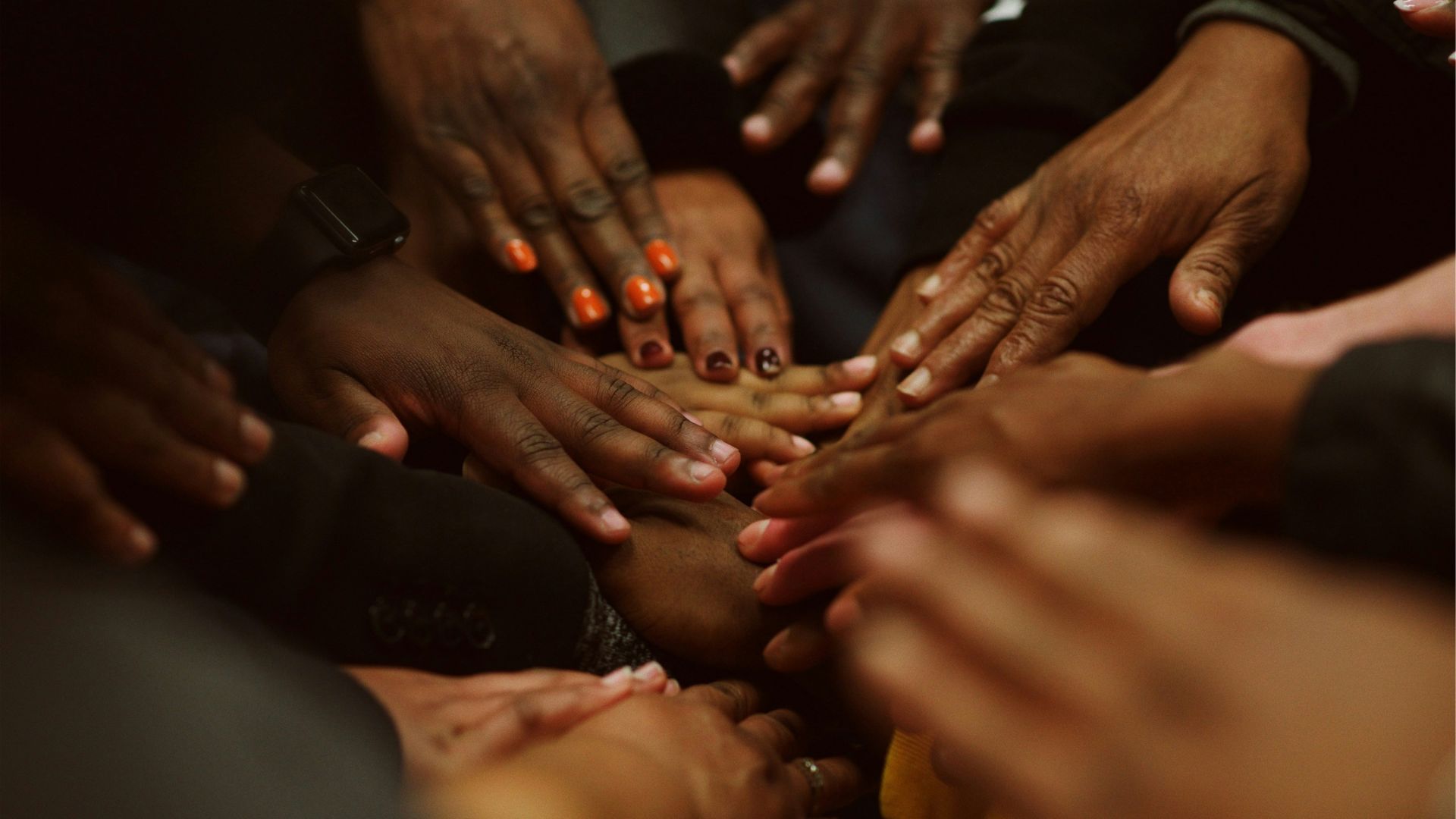
A wellness circle is more than a meeting; it is a space where people are witnessed. In these spaces, storytelling becomes a form of healing. By sharing experiences, individuals move from isolation to connection. They realize that their fears, frustrations, and emotional wounds are not theirs alone to bear.
Stories help transform personal pain into collective understanding.
For civic actors operating across borders, storytelling can also strengthen solidarity and protection. When stories of detention, harassment, or resilience are documented and shared ethically, they create awareness, mobilize support networks, and ensure that abuses are not forgotten. Documentation becomes both an act of resistance and a pathway to healing.
Importantly, storytelling is not only about recounting trauma. It is also about telling stories of survival, courage, joy, and recovery. Healing happens when communities create space for the full human experience, not just the wounds, but also the strength that emerges from them.
As East Africa continues to navigate complex political and social realities, wellness must move beyond individual self-care. Healing is collective. It is found in conversations, support circles, shared memories, and acts of solidarity that remind people they are not alone.
The stories we tell shape the futures we imagine.
And perhaps one of the most powerful wellness interventions for civic actors today is to gather, listen, remember, and tell our stories, together.
Because healing begins when silence ends, and community begins when stories are shared.